


- ,
- , Female Health
Symphysis Pubis Dysfunction (SPD): Causes, Exercises and Everyday Relief
What Causes SPD?
In my practice, half of all SPD cases come down to weak pelvic stabilisers: the glutes, pelvic floor and inner thighs that hold the pelvis together. A quarter are caused by pregnancy hormones loosening the pelvic ligaments, and the remaining quarter by a previous pelvic or lower back injury that was never fully resolved.
A growing baby changing your posture, or one side of the pelvis moving more than the other, are also possible risk factors, but they aren’t what I see most in practice.
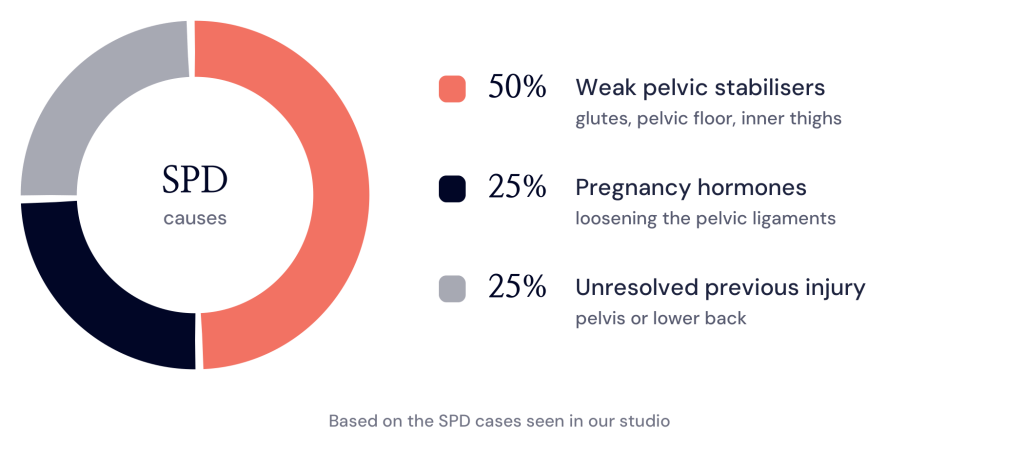
Table of Contents
How Pilates Helps SPD
My approach to SPD starts with an assessment. I test the stabilisers of the gluteo-pelvic floor inner unit and the adductors (inner thighs), identify which ones are lagging, and strengthen them to support the pelvis. Every one of my SPD clients goes through this first-level assessment.
Other factors are unique to each case and just as important. One of the most common is an imbalance between the two sides. It can be so pronounced that a single-leg exercise that’s easy on one side is impossible on the other. I always treat the body as a whole, assessing posture, walking gait and anything else that could be contributing to the problem.
27-Minute Reformer Pilates for SPD (Follow Along)
In this session, I take you through pelvic floor work, side-lying glute exercises, light footwork, bridges and standing work, using a mini ball and light springs. If any exercise increases your pain, skip it and move on to the next one.
Everyday Movements That Flare SPD, and What to Do Instead
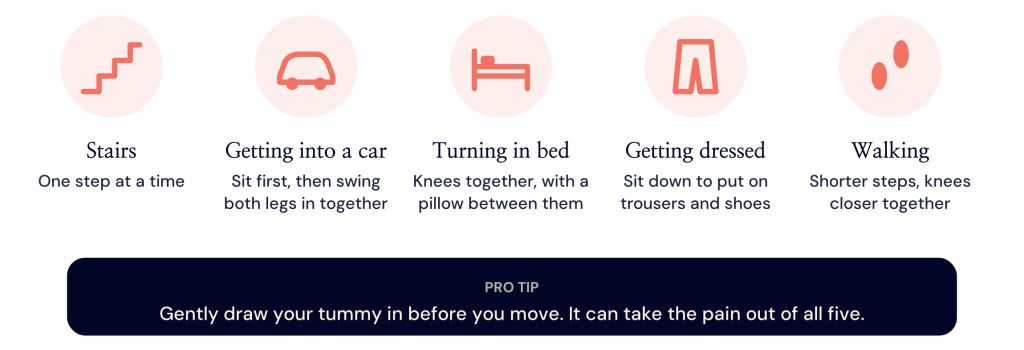
Some of the most painful moments with SPD come from everyday movements. Small changes make a big difference:
- Stairs: take them one step at a time.
- Getting in and out of a car: sit down first, then swing both legs in together.
- Turning in bed: keep your knees together, with a pillow between them.
- Getting dressed: sit down to put on trousers and shoes.
- Walking: take shorter steps, with your knees closer together.
No Reformer? 3 Exercises You Can Do at Home
These are three classical Pilates exercises I give my SPD clients, each with an easier version to start with:
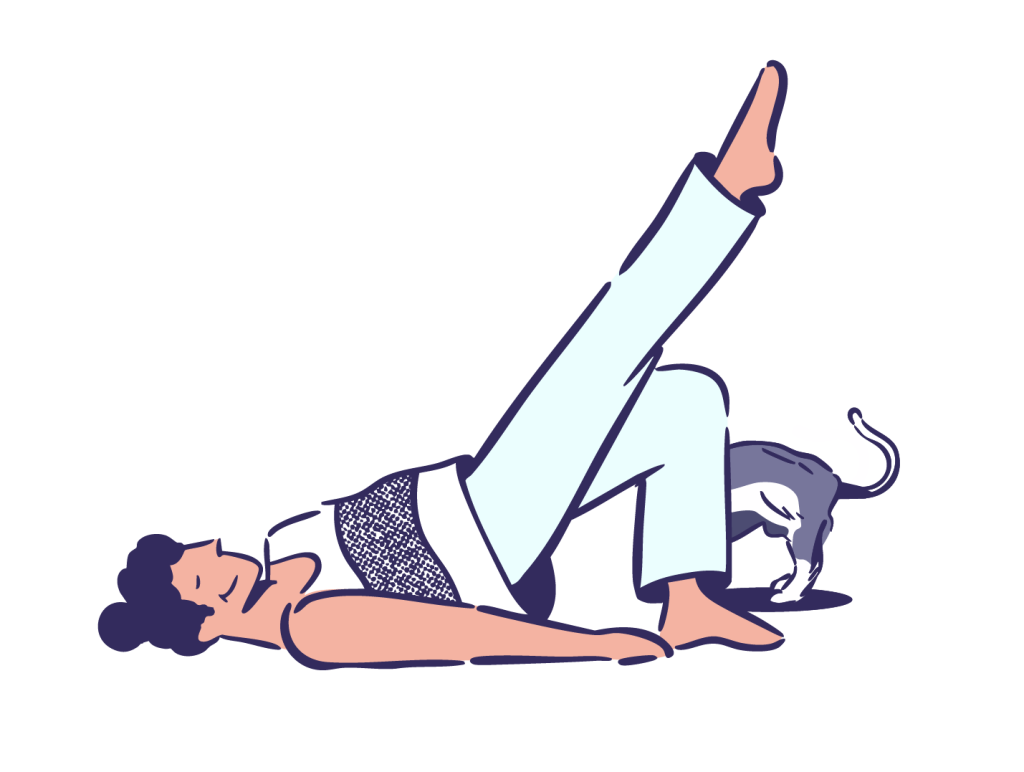
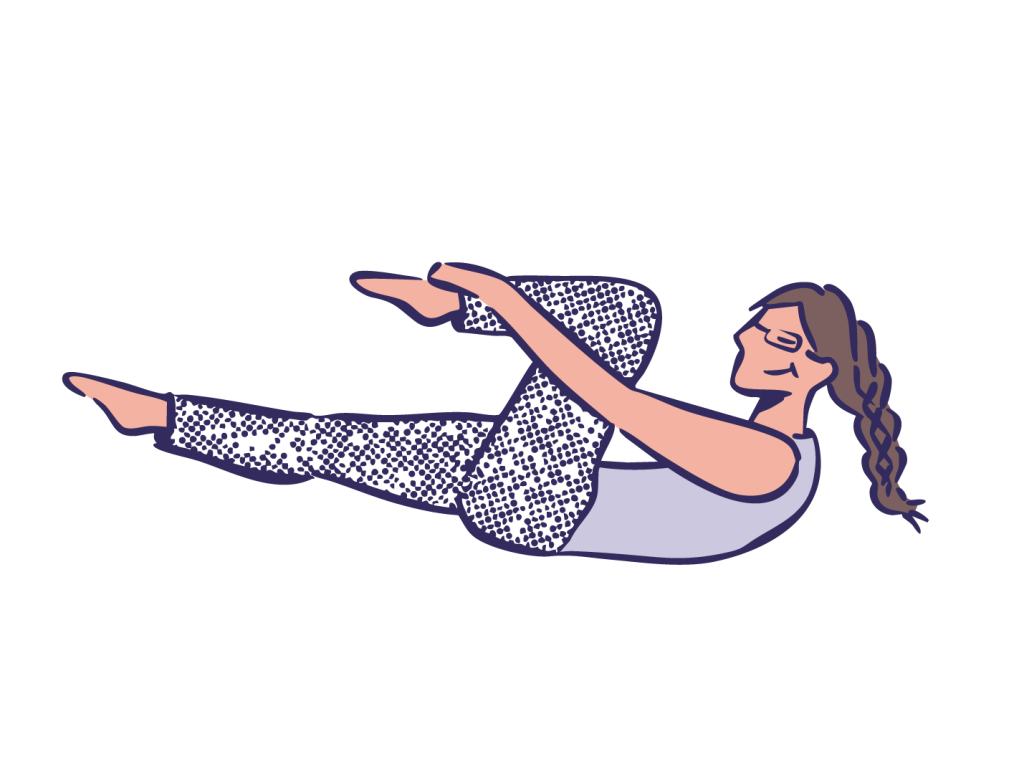
Shoulder bridge. Easier version: pelvic rocks.
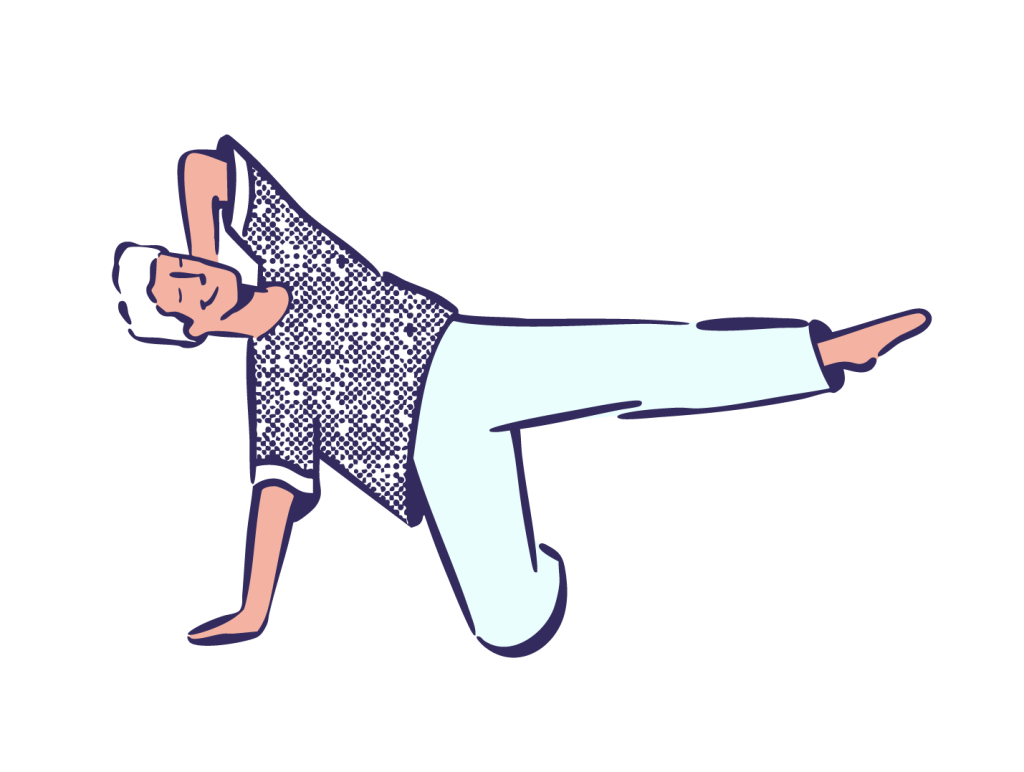
Kneeling Side Kick. Lift your leg as much as possible provided you experience no pain.
Single-leg stretch. Easier version: lie on your back and alternately lift your right and left leg off the floor.
If you’re in later pregnancy, check with your midwife before doing exercises lying on your back.
Does SPD Go Away After Birth?
Many women are told SPD will disappear once the baby arrives. In my experience, it doesn’t go away on its own. The pelvic stabilisers still need strengthening, and targeted exercise is what makes the difference.
After birth? Try our postnatal back pain exercises and check for diastasis recti.
What Is SPD? Where It Hurts
Many women are told SPD will disappear once the baby arrives. In my experience, it doesn’t go away on its own. The pelvic stabilisers still need strengthening, and targeted exercise is what makes the difference.
After birth? Try our postnatal back pain exercises and check for diastasis recti.
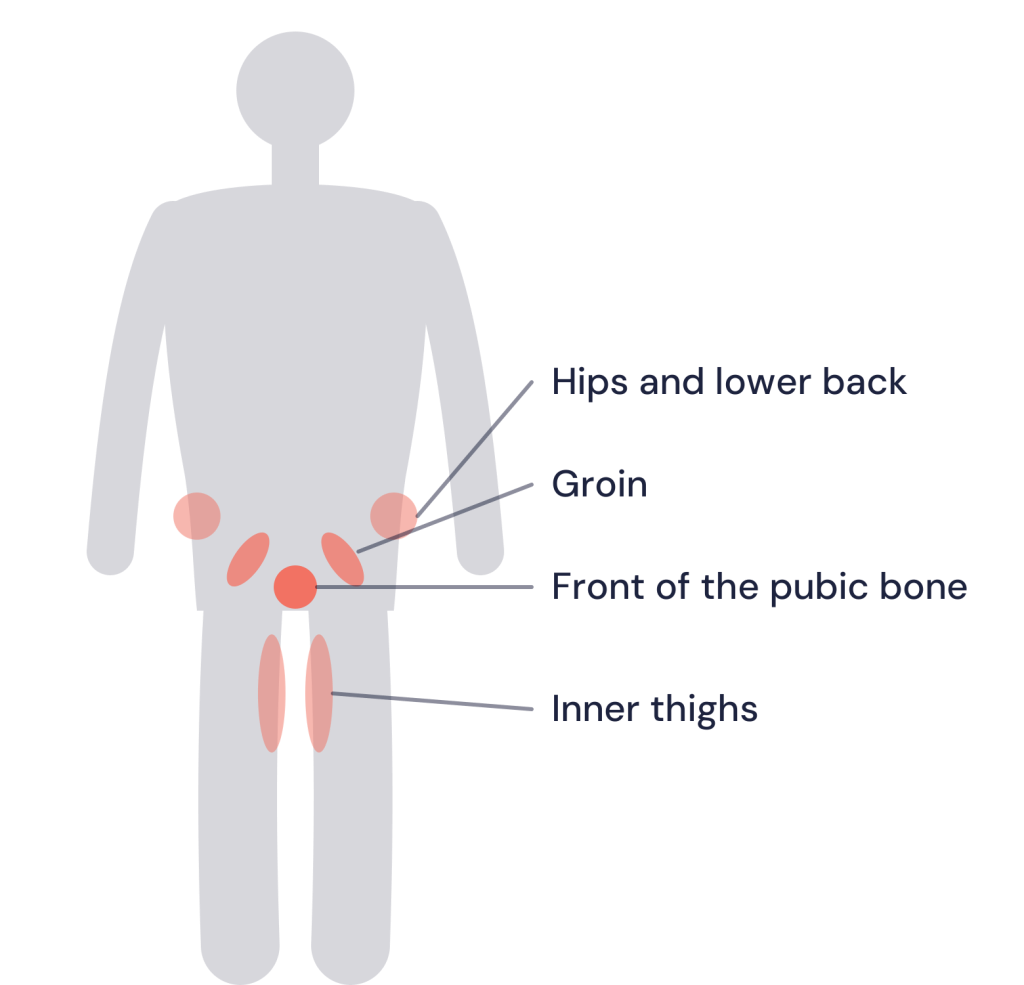
When to Speak to Your Midwife or GP
Speak to your midwife or GP if you think you have SPD, especially if the pain is stopping you from walking, sleeping or getting through your day. They can refer you to a women’s health physiotherapist and check for anything else that needs attention.